
Acoustic Evidence Request Workflow for Toilet Partition Hardware
Quick project answer
Review focus: acoustic evidence.
When a project team needs acoustic information for commercial washroom cubicles, the toilet partition acoustic evidence request workflow should begin with a clear question, a defined scope and a documented review path. EBUNGE product category includes commercial Toilet Partition / Toilet Cubicle. That confirmed category fact is the starting point, not a performance statement. The project team should confirm project-specific requirements against the relevant approved technical evidence.
This guide sets out a coordination workflow for overseas contractors, architects, interior designers, owners, renovation companies, distributors and construction teams. It does not assert compliance, does not supply ratings and does not treat materials as interchangeable. Instead, it shows how to request, log and review evidence so that decisions remain traceable and project-specific.
Why Acoustic Evidence Requests Need a Defined Workflow
Project review term: acoustic evidence.
Acoustic questions often arrive late, after layouts are fixed and door swings are set. A defined workflow prevents informal assumptions from becoming specification text. It also separates three different things: the project requirement, the evidence available for a proposed configuration, and the residual risk accepted by the project team.
It is influenced by the complete installed assembly, including panel interfaces, door operation, support conditions and surrounding construction. Because those elements vary by project, a general statement cannot substitute for project-specific evidence.
What the workflow is not
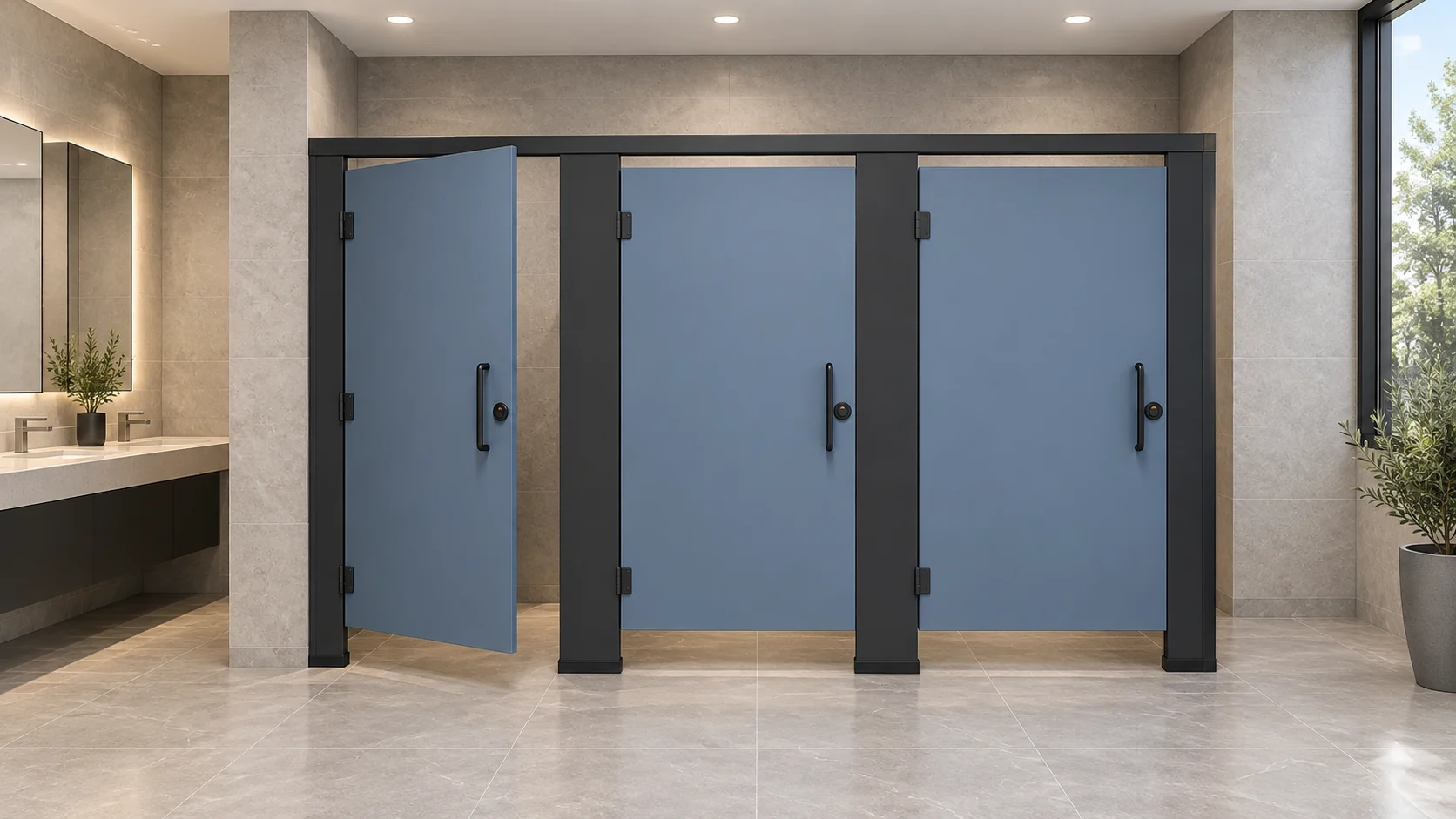
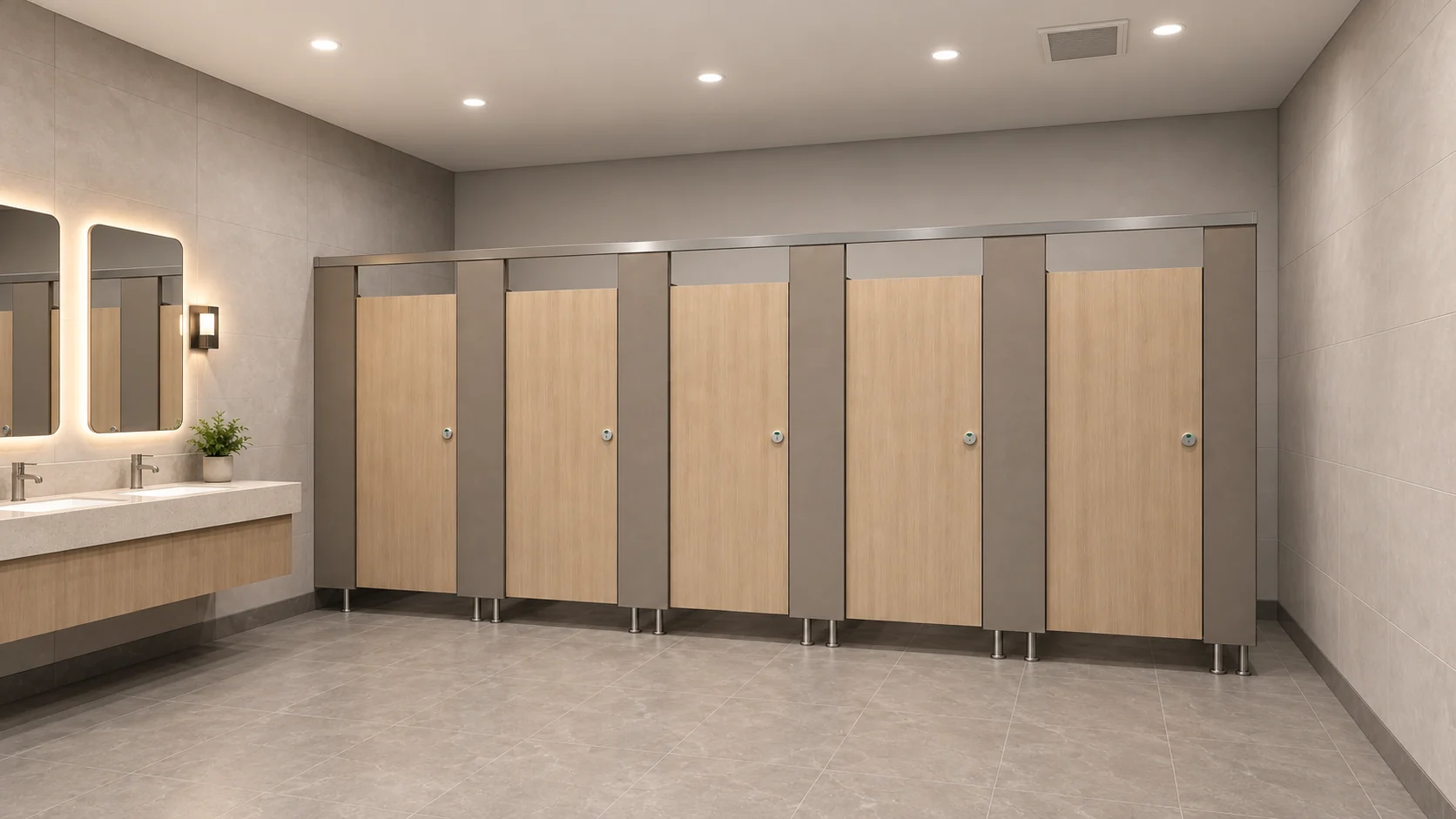
It is not a certification process, a compliance ruling or a guarantee. It does not convert a generic illustration into a construction detail. Illustrations show generic design references, not completed EBUNGE customer projects. Any project-specific material, hardware, dimension, finish, mounting or rating requires matching approved technical evidence.
Step-by-Step Request Process for Project Teams
Coordination scope: acoustic evidence.
Use a numbered process so that requests, responses and decisions stay visible to all disciplines. The steps below are coordination steps, not performance claims.
- Define the acoustic question. Avoid vague requests for ‘acoustic data’.
- Identify the exact configuration under review. Record the proposed partition type, door arrangement, support interface and surrounding construction as project-specific items requiring approved evidence.
- List the evidence needed. Ask for the document type, the configuration it covers and its validity scope. Do not assume that a document for one assembly applies to another.
- Assign a single request owner. One person should log the request, track responses and circulate updates to the project team.
- Review against the project requirement. Compare the returned evidence with the defined question. If the scope does not match, request clarification rather than inferring equivalence.
- Record the decision. Note what was accepted, what remains open and what the project team will verify on site.
Evidence note
Any acoustic value, rating or test result must come from approved technical evidence that matches the exact project configuration. If no matching evidence exists, the correct output is an open item, not an assumed value.
Information to Prepare Before Contacting a Supplier
Checklist focus: acoustic evidence.
Prepare a short package that describes the project without overstating certainty. Useful items include layout drawings, cubicle counts, door operation intent, support interface information and the applicable local requirements the project team is working to.
Do not ask a supplier to confirm compliance with a local code unless the project team has identified the exact clause and the evidence route. The project team remains responsible for applicable local requirements. The supplier’s role is to provide maintained product information and to identify what is available for the configuration under review.
Coordination checklist
- Layout and cubicle arrangement marked as project-specific.
- Door operation and privacy intent described without assuming a rating.
- Support interface and surrounding construction noted for review.
- Cleaning and maintenance documentation requirements listed.
- Applicable local requirements identified by the project team.
- Evidence request owner and response deadline recorded.
Reviewing Layout, Privacy and Door Operation
Layout review should confirm that the proposed arrangement matches the evidence being requested. A change in cubicle width, door position or interface can move the request outside the scope of a previously issued document. Treat each change as a trigger to re-check the evidence trail.
Privacy expectations should be written as project requirements, not as product claims. Door operation, gaps and interfaces are design decisions that the project team reviews. Where a requirement cannot be matched to approved evidence, record it as an open item for resolution before specification sign-off.
Support interfaces and cleaning documentation
Support interfaces connect the partition system to the building structure. Their treatment is project-specific and requires approved technical evidence.
Documentation and Evidence Boundaries
Keep a simple evidence register. For each document, record the title, the configuration it covers, the date received and the reviewer.
| Request item | Evidence status | Project action |
|---|---|---|
| Acoustic value or rating | Requires matching approved evidence | Do not specify until matched |
| Material composition | Requires matching approved evidence | Confirm per configuration |
| Dimensions and mounting | Requires matching approved evidence | Verify against drawings |
| Cleaning documentation | Request where required | Review before handover |
This table is a coordination tool, not a statement of product capability. It helps the project team separate confirmed information from open items. For maintained product context, see the EBUNGE product range and the resources area for general guidance.
Common Coordination Mistakes to Avoid
One common mistake is treating materials as interchangeable. HPL, compact laminate, phenolic and stainless steel are different material families and should not be assumed to behave the same way. Another mistake is inferring hidden construction from an illustration. Illustrations show generic design references, not completed EBUNGE customer projects.
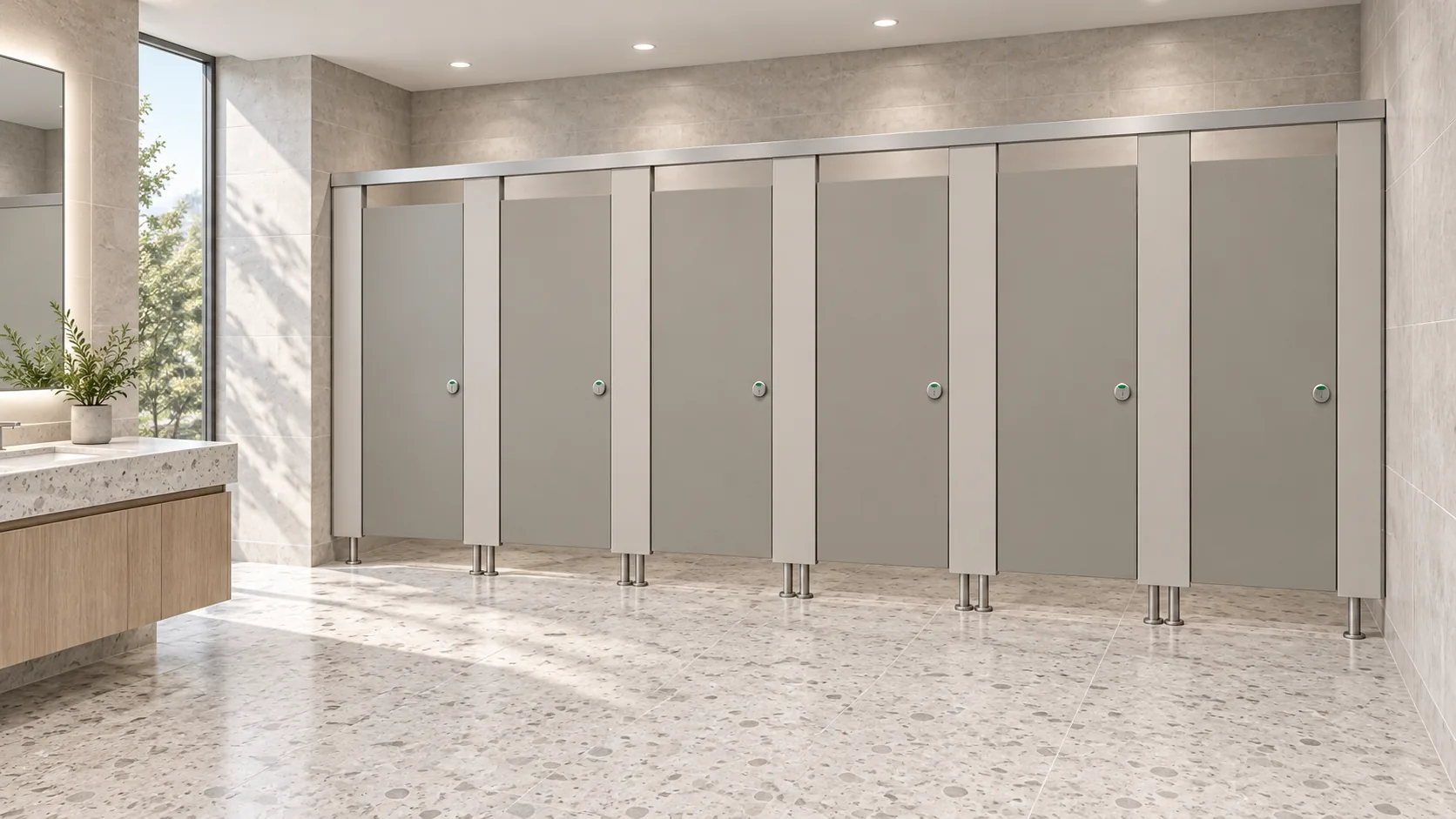
A third mistake is describing toilet cubicles as movable operable walls. Toilet cubicles are not movable operable walls, and the workflow should not introduce suspended wall travel, stacking or parking mechanisms. Keeping the vocabulary accurate prevents confusion during review.
Escalation path
When evidence does not match the request, escalate to the project team rather than filling the gap with an assumption. The team can then decide whether to adjust the design, request further information or accept the item as open.
Frequently Asked Questions
What is a toilet partition acoustic evidence request workflow?
It is a documented process for defining an acoustic question, requesting evidence for a specific configuration and reviewing the response against project requirements. It does not itself provide ratings or certify compliance.
Can EBUNGE provide acoustic ratings for toilet partitions?
Where no matching evidence exists, the item remains open for the project team to resolve.
Which project details should be included in the request?
Include layout drawings, cubicle arrangement, door operation intent, support interface information, cleaning documentation needs and the applicable local requirements identified by the project team.
Are HPL, compact laminate, phenolic and stainless steel interchangeable?
No. They are different material families and should not be treated as interchangeable. Any material-specific statement requires matching approved technical evidence.
How should the project team handle missing evidence?
Record it as an open item, escalate to the responsible discipline and avoid substituting assumptions. The project team decides whether to adjust the design or request further information.
Do illustrations show completed EBUNGE projects?
No. Illustrations show generic design references, not completed EBUNGE customer projects. They should not be used to infer construction, dimensions or performance.
Conclusion and Next Steps
A disciplined acoustic evidence request workflow keeps project decisions traceable. Define the question, identify the exact configuration, request matching evidence and record what remains open. This approach supports coordination without inventing performance claims or treating materials as interchangeable.
For project-specific discussions, contact the EBUNGE team through the contact page with your layout information and evidence requirements. The team can clarify what maintained product information is available and what must be confirmed against approved technical evidence for your project.