
How to Score Toilet Partition Hardware Bids on Total Cost of Ownership
Quick answer: total cost
Toilet partition hardware total cost of ownership is not a single number a supplier can print on a bid form. It is a scoring discipline that a project team applies across the full evaluation period, using maintained product facts, visible evidence limits and project-specific drawing review. EBUNGE product category includes commercial Toilet Partition / Toilet Cubicle. That confirmed category fact is the starting point, not a substitute for project evidence.
This guide shows how contractors, architects, interior designers, owners, renovation companies, distributors and construction teams can compare bids without inventing performance, price or service-life conclusions.
Why Headline Price Misleads Bid Scoring
A low bid line can hide coordination work that lands on the contractor later. The opposite is also true: a higher line may include scope clarity that reduces rework. Neither outcome can be assumed from the bid document alone. The scoring task is to separate what is evidenced from what is merely stated.
Total cost of ownership thinking asks the project team to look at the whole delivery and handover picture: layout coordination, privacy expectations, door operation, support interfaces, cleaning documentation and applicable local requirements. Each of these areas needs a named reviewer and a defined evidence source before scoring begins.
Build the Evidence Register Before Scoring
Scoring without an evidence register becomes opinion trading. Create a simple register that lists each bid claim and the document that supports it. Claims without a matching document are marked as open items, not scored as facts.
What belongs in the register
- Bid line item and the scope it covers.
- Referenced drawing, schedule or specification section.
- Named reviewer and review date.
- Open questions requiring project-specific confirmation.
- Applicable local requirement references, without asserting compliance.
This register keeps the evaluation honest. It also gives the project team a clear record of why a bid received a particular score.
A Seven-Step Bid Scoring Process
- Confirm the bid responds to the issued scope and drawing set.
- Map each claim to a document in the evidence register.
- Review layout and privacy expectations against the project brief.
- Review door operation and support interfaces with the installation team.
- Check cleaning documentation expectations with the facilities contact.
- List applicable local requirements and the reviewer responsible for them.
- Score only evidenced items; flag the rest for clarification.
Steps three to six are where most hidden cost appears. The project team should confirm project-specific requirements against the relevant approved technical evidence.
Comparing Bids Without Inventing Facts
A compact comparison table helps the team see gaps rather than guess at them. The table below uses neutral categories only. It does not assume any material, hardware, dimension, finish, mounting or rating.
| Scoring area | Evidence needed | Status |
|---|---|---|
| Scope alignment | Bid response against issued documents | Open / Reviewed |
| Layout and privacy | Project brief and drawing review notes | Open / Reviewed |
| Door operation | Project-specific confirmation | Open / Reviewed |
| Support interfaces | Coordination notes with adjacent trades | Open / Reviewed |
| Cleaning documentation | Facilities review record | Open / Reviewed |
| Local requirements | Named reviewer and reference list | Open / Reviewed |
Use the status column to drive the next meeting. A bid with many open items is not automatically poor; it is simply not yet scoreable.
Where Project-Specific Evidence Is Mandatory
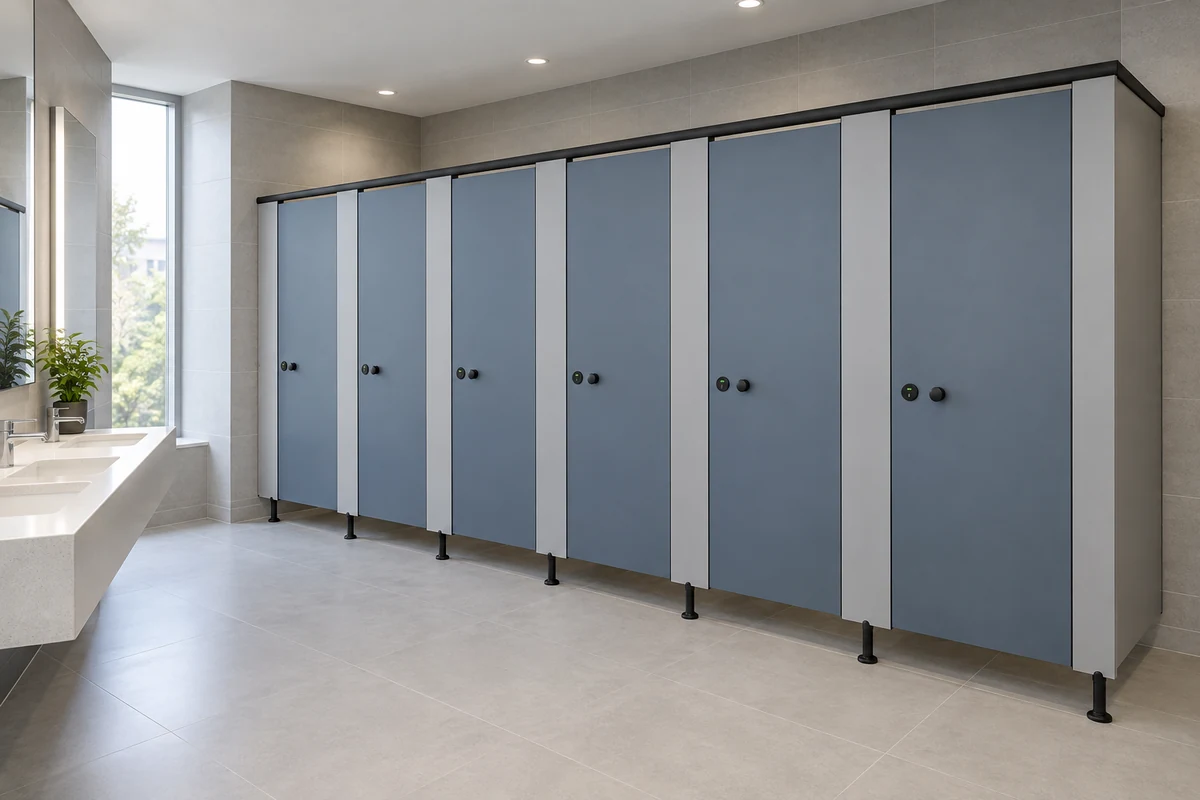
Some bid statements cannot be scored from general product information. Any project-specific material, hardware, dimension, finish, mounting or rating requires matching approved technical evidence. If that evidence is not in the bid pack, the item stays open.
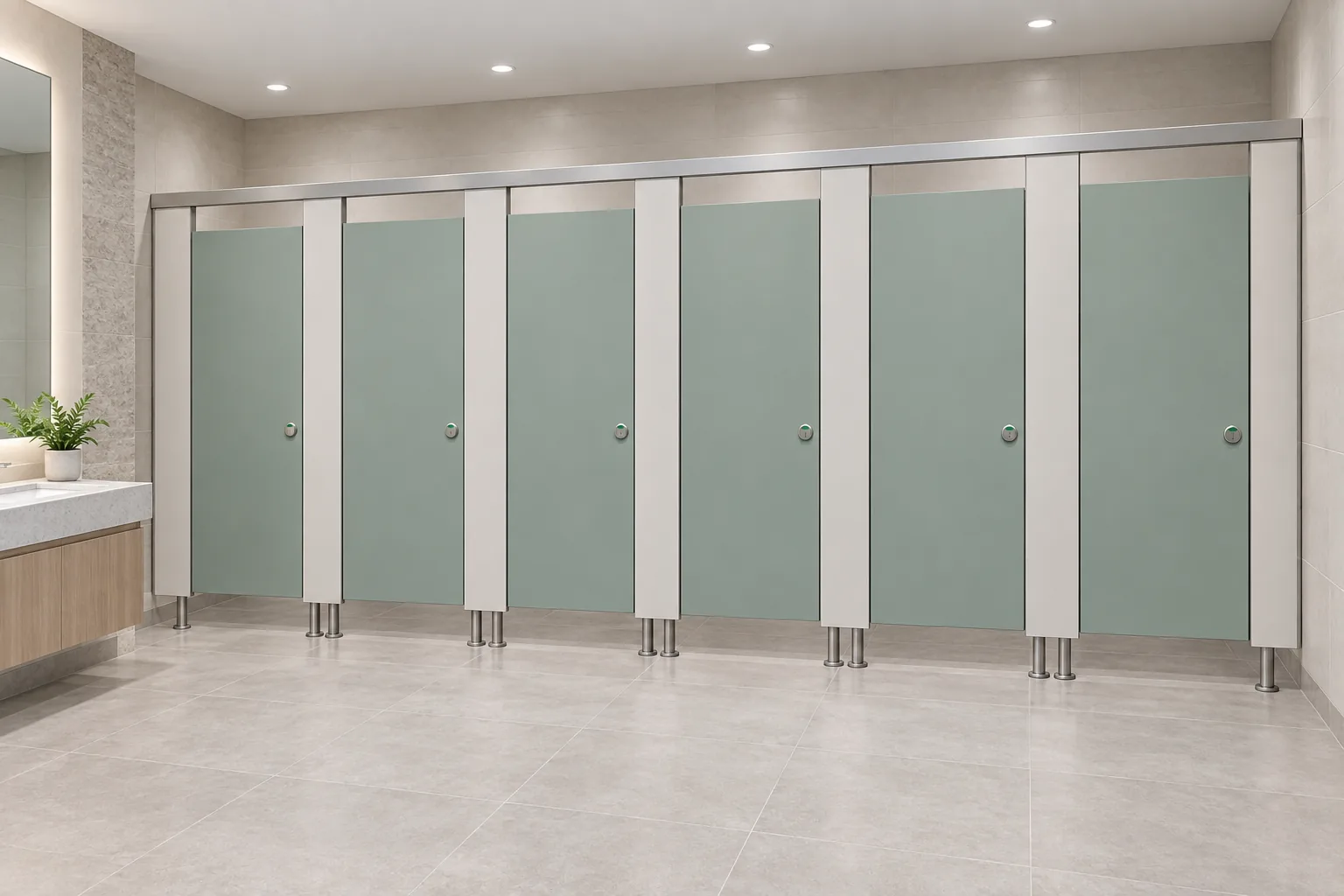
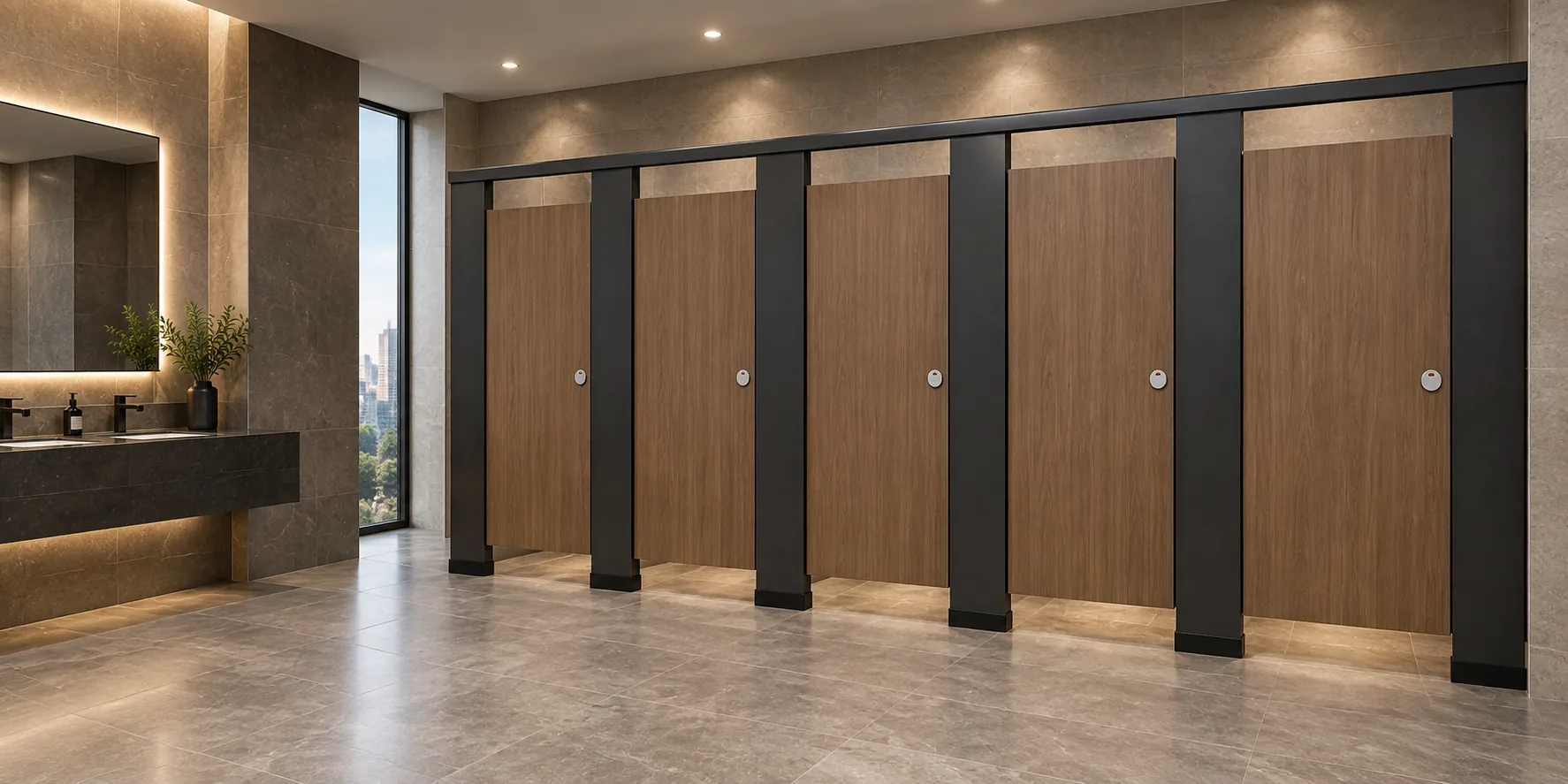
Evidence note: illustrations show generic design references, not completed EBUNGE customer projects. Treat them as layout prompts for discussion, not as proof of a delivered configuration.
This boundary protects both the buyer and the supplier. It prevents a bid score from resting on an assumption that no one has verified.
Coordination Questions for the Project Team
The goal is to surface interfaces early, while changes are still inexpensive to manage.
Questions to ask before scoring
- Who owns the layout review, and when is it signed off?
- How will door operation be checked against the project brief?
- Which adjacent trades share support interfaces?
- What cleaning documentation does the facilities team expect at handover?
- Which local requirements apply, and who confirms them?
Record the answers in the evidence register. Unanswered questions become clarification requests, not scoring penalties.
Turning Scores into a Recommendation
Once the register is complete, the team can compare bids on evidenced scope rather than headline figures. A bid that leaves interfaces unresolved may score lower because the project carries the risk.
Keep the recommendation written and traceable. State which items were evidenced, which remain open, and which require project-specific confirmation before award. This is the practical meaning of toilet partition hardware total cost of ownership specification work: a documented decision, not a slogan.
For maintained product context, review the EBUNGE product range. For supporting guidance, see the resources section. When the evidence register is ready, contact the team to discuss project-specific confirmation.
Frequently Asked Questions
Can total cost of ownership be calculated from a bid form alone?
No. A bid form gives stated scope and figures. Total cost of ownership scoring also needs the evidence register, drawing review notes and clarification responses. Without those, the score would rest on assumptions.
Should the lowest bid always win?
Not automatically. The lowest line may leave coordination items open. Score evidenced scope first, then compare commercial terms. A higher bid with clearer answers may reduce unresolved project risk.
What if a bid does not mention door operation?
Treat it as an open item. Ask the bidder to confirm how door operation will be reviewed against the project brief. Do not infer a configuration from a generic illustration.
How do local requirements fit into scoring?
List the applicable requirements and name the reviewer responsible. The project team reviews them without asserting unverified compliance. The bid score reflects whether the response addresses the review process.
Are material and finish claims scoreable without documents?
No. Any project-specific material, hardware, dimension, finish, mounting or rating requires matching approved technical evidence. Without it, the claim stays open and is not scored as a fact.
How should cleaning documentation be handled?
Ask the facilities contact what documentation they expect at handover. Record the answer and check whether the bid response addresses it.
Conclusion and Next Step
Scoring toilet partition hardware bids on total cost of ownership is a review discipline. Build the evidence register, run the seven-step process, compare bids on evidenced scope, and keep project-specific claims open until matching technical evidence is available. Illustrations remain generic design references, not completed EBUNGE customer projects.
Ready to move from bid comparison to project-specific confirmation? Contact EBUNGE with your drawing set and evidence register so the team can review the next step with you.