
Toilet Partition Hardware Tender Compliance Matrix
Quick answer: toilet partition
Review focus: toilet partition.
A toilet partition hardware tender compliance matrix helps project teams compare what is specified, what is offered and what still needs written confirmation. For overseas contractors, architects, interior designers, owners and renovation teams, the matrix is not a marketing document. It is a controlled review tool that keeps every line tied to maintained product facts, visible evidence limits and project-specific drawing review.
EBUNGE product category includes commercial Toilet Partition / Toilet Cubicle. That confirmed category fact is the starting point, not a substitute for project evidence.
The matrix should separate confirmed information from open items. It should also show who is responsible for closing each gap. This article explains how to structure the matrix, which review points belong in it and how to avoid unsupported conclusions about materials, hardware, dimensions, finishes, mounting or ratings.
Start With the Tender’s Own Structure
Begin by mirroring the tender’s section order. If the specification lists layout, privacy, door operation, support interfaces, cleaning documentation and applicable local requirements, use those same headings in the matrix. The project team should confirm project-specific requirements against the relevant approved technical evidence.
Do not merge unrelated requirements into one row. A single row should address one reviewable point. Where the tender uses performance language, record the exact wording and mark whether matching approved technical evidence is available. If evidence is not available, the row remains open rather than assumed.
Separate Confirmed Facts From Project-Specific Items
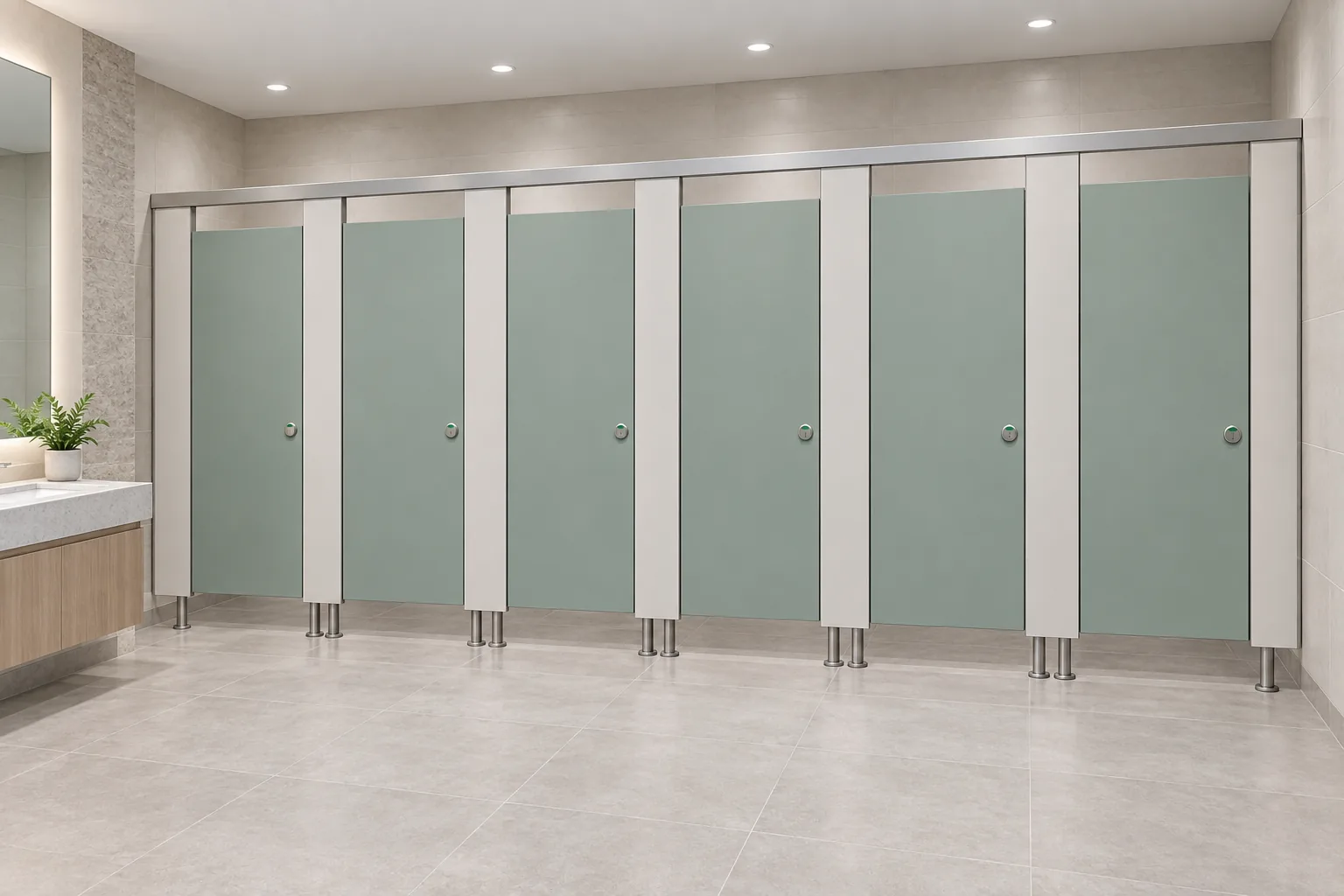
Confirmed product-category facts can be stated directly. Project-specific material, hardware, dimension, finish, mounting or rating requires matching approved technical evidence. The matrix should make that distinction visible so that reviewers do not treat a generic illustration or a category description as proof of a project configuration.
Build the Matrix Around Reviewable Columns
A useful matrix has columns that force evidence-based answers. The exact column names can follow the tender format, but the following structure covers the main review needs without inventing performance claims.
| Column | Purpose | Evidence status |
|---|---|---|
| Tender reference | Links the row to the original clause or drawing note | Document reference only |
| Requirement summary | States what the project team needs to review | No performance inference |
| Confirmed category fact | Records only maintained product-category information | Confirmed fact |
| Project-specific item | Flags material, hardware, dimension, finish, mounting or rating | Requires approved technical evidence |
| Open question | Captures what must be confirmed before tender close | Open item |
| Responsible reviewer | Names the discipline that must close the item | Process control |
This table is a planning aid, not a product specification. It does not confirm compliance with any local requirement. Applicable local requirements still need review by the project team and, where required, by qualified local advisers.
Review Layout, Privacy and Door Operation
Layout, privacy and door operation are common tender concerns. The matrix should record how each is addressed in the drawings and specification, and whether the information is complete enough for review. It should not convert a generic design reference into a confirmed project layout.
Layout and Support Interfaces
Record the drawing references that show cubicle positions, adjacent construction and support interfaces. Support interfaces are especially important because they connect the partition scope to other trades. The matrix should identify who confirms the interface and what evidence is needed. Do not infer hidden construction from illustrations.
Privacy and Door Operation
Privacy and door operation should be reviewed against the project’s own requirements. The matrix can list the review points, but it should not assert unverified compliance. Door operation details, hardware choices and mounting arrangements remain project-specific until matching approved technical evidence is provided.
Handle Materials and Hardware Without Interchangeable Assumptions
Material and hardware rows are where unsupported assumptions often appear. HPL, compact laminate, phenolic and stainless steel should not be treated as interchangeable. The matrix should name the material only when the project has approved evidence for that material in that application.
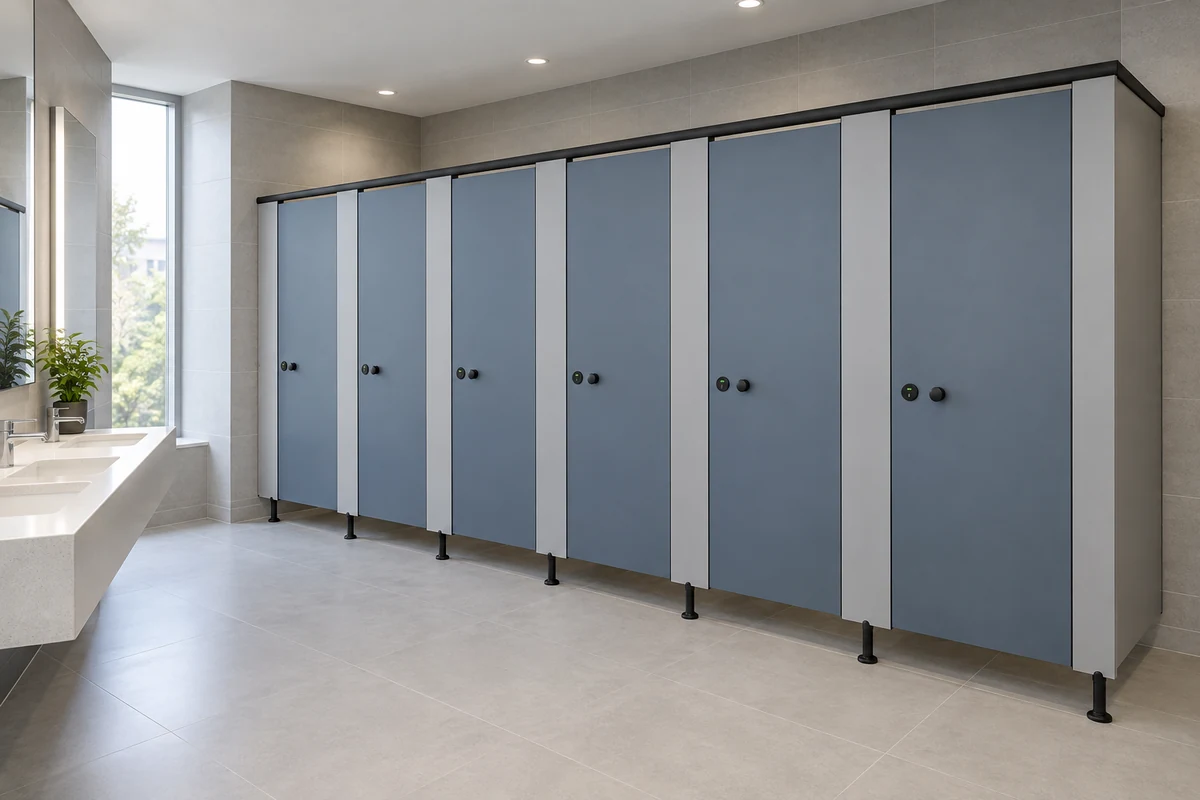
Hardware items should be listed as separate review lines. If the tender names a hardware function, the matrix should record the function and the evidence needed to confirm it. It should not infer hidden construction, finish or rating from an illustration or a general description.
Use an Evidence Note for Open Items
Evidence note: Any project-specific material, hardware, dimension, finish, mounting or rating requires matching approved technical evidence. Illustrations show generic design references, not completed EBUNGE customer projects. Where evidence is not yet available, keep the row open and assign a reviewer.
This note prevents the matrix from drifting into assumptions. It also gives reviewers a consistent rule for closing or escalating open items.
Coordinate Cleaning Documentation and Local Requirements
Cleaning documentation and applicable local requirements should be listed as review items, not as automatic compliance statements. The project team should identify who maintains the cleaning information, how it will be used and what local requirements apply. The matrix can record the review status without asserting that compliance has been achieved.
For Toilet Partition coordination, the matrix should connect the partition scope to adjacent trades and to the owner’s operational needs. This is a planning activity. It does not replace project-specific approvals or local verification.
Run a Numbered Review Process Before Tender Close
- Confirm the tender’s required sections and map them to matrix headings.
- Enter only confirmed category facts in the confirmed-fact column.
- Flag every project-specific material, hardware, dimension, finish, mounting or rating as requiring approved technical evidence.
- Assign a responsible reviewer for each open item.
- Review layout, privacy, door operation, support interfaces, cleaning documentation and applicable local requirements.
- Remove any statement that cannot be traced to maintained facts or approved project evidence.
- Record the final status and date before submission.
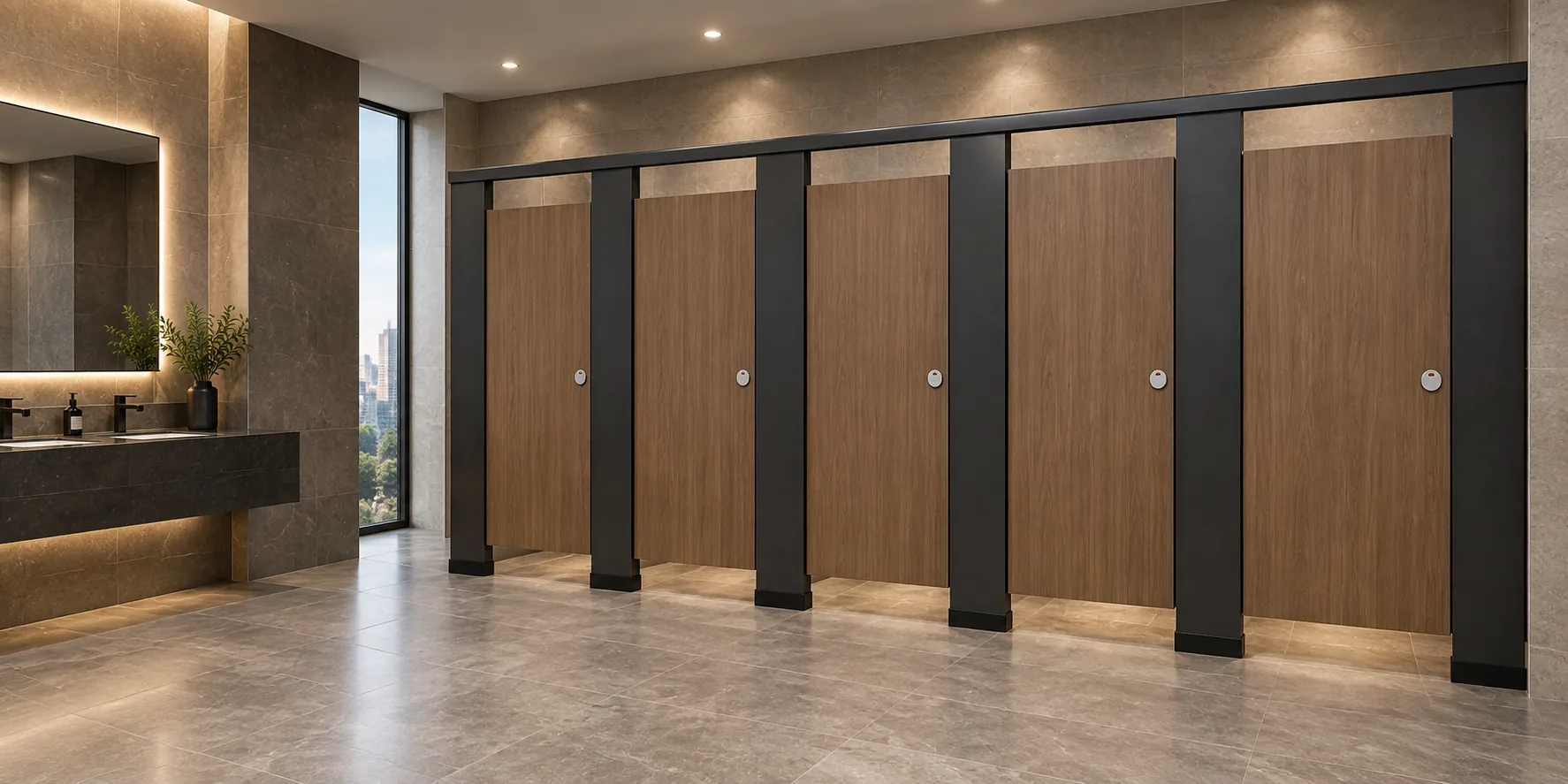
This process keeps the matrix useful for contractors, architects, interior designers, owners, renovation companies, distributors and construction teams. It also makes the evidence boundary visible to everyone who reads the tender response.
Frequently Asked Questions
What is a toilet partition hardware tender compliance matrix?
It is a structured review tool that compares tender requirements with confirmed product-category facts and project-specific evidence. It helps teams track open items instead of assuming compliance.
Which items always require project-specific evidence?
Material, hardware, dimension, finish, mounting and rating items require matching approved technical evidence. They should not be treated as general product facts.
Can a generic illustration confirm a project configuration?
No. Illustrations show generic design references, not completed EBUNGE customer projects. They cannot confirm a project-specific configuration.
How should local requirements be handled?
List them as review items and identify who will verify them. The matrix should not assert unverified compliance with any local requirement.
Where can project teams find maintained product context?
Review the EBUNGE product category page for maintained public context. Project-specific questions should be directed to the contact route for written confirmation.
What should happen when evidence is missing?
Keep the row open, assign a reviewer and record the missing evidence. Do not close the item with an assumption or a generic statement.
Conclusion and Next Step
Use the tender’s own structure, keep evidence boundaries visible and assign responsibility for every open row. This approach supports clearer coordination without inventing performance, engineering or commercial conclusions.
For maintained product context, review the EBUNGE product range and the resources section. When your project team is ready to confirm specific requirements, contact EBUNGE to discuss the evidence needed for your tender review.