
Room Scheduling Rules That Reduce Toilet Partition Changeover Delays
Quick project answer
Toilet partition changeover delays rarely come from a single trade. They usually build up when room scheduling, layout review, door operation, support interfaces, and cleaning documentation are handled in separate conversations. The project team should confirm project-specific requirements against the relevant approved technical evidence. It is a schedule that keeps decisions visible and evidence-bounded. EBUNGE product category includes commercial Toilet Partition / Toilet Cubicle.
Every project-specific material, hardware, dimension, finish, mounting, or rating still requires matching approved technical evidence.
Why Changeover Delays Cluster Around Room Scheduling
Changeover delays often appear at the handover between wet trades, ceiling works, and final fit-out. When a washroom is released late, the partition installation window compresses. Teams then make rushed assumptions about layout, privacy, door operation, and support interfaces. Those assumptions may not match the approved drawings.
Room scheduling is therefore a coordination tool, not just a calendar. It defines when a room is ready for review, when questions must be closed, and when site conditions can be verified. Without that discipline, toilet partition changeover delays project planning becomes reactive.
Separate room readiness from product readiness
A room can be physically available while product information is still unresolved. Treat these as two separate gates. Room readiness covers access, protection, and adjacent works. Product readiness covers approved drawings, confirmed interfaces, and documented cleaning expectations. Both gates must close before installation planning is treated as stable.
Keep a single decision log
Use one log for layout, privacy, door operation, support interfaces, and cleaning documentation. Each entry should name the reviewer, the evidence used, and the date. This prevents the same question from reopening during changeover.
Rule One: Schedule Review Before Release
Book the layout and interface review before the room is released to the partition team. The review should confirm the approved drawing set, the door swing direction, and the support interface locations shown on those drawings. It should not infer hidden construction from illustrations.
Illustrations show generic design references, not completed EBUNGE customer projects. Use them to frame questions, not to confirm a configuration.
What the review should cover
- Layout and cubicle count as shown on approved drawings
- Privacy expectations recorded by the project team
- Door operation and clearance as drawn
- Support interface locations and adjacent finishes
- Cleaning documentation and access needs
- Applicable local requirements identified by the project team
What the review should not do
Do not use the review to confirm ratings, material composition, dimensions, load capacities, or compliance. Those items require matching approved technical evidence. If evidence is missing, record it as an open item rather than a decision.
Rule Two: Protect a Changeover Buffer
A changeover buffer is time reserved for verification, not for rework. It allows the team to check that the room matches the approved drawings and that interfaces are ready. Without a buffer, any late question becomes a delay.
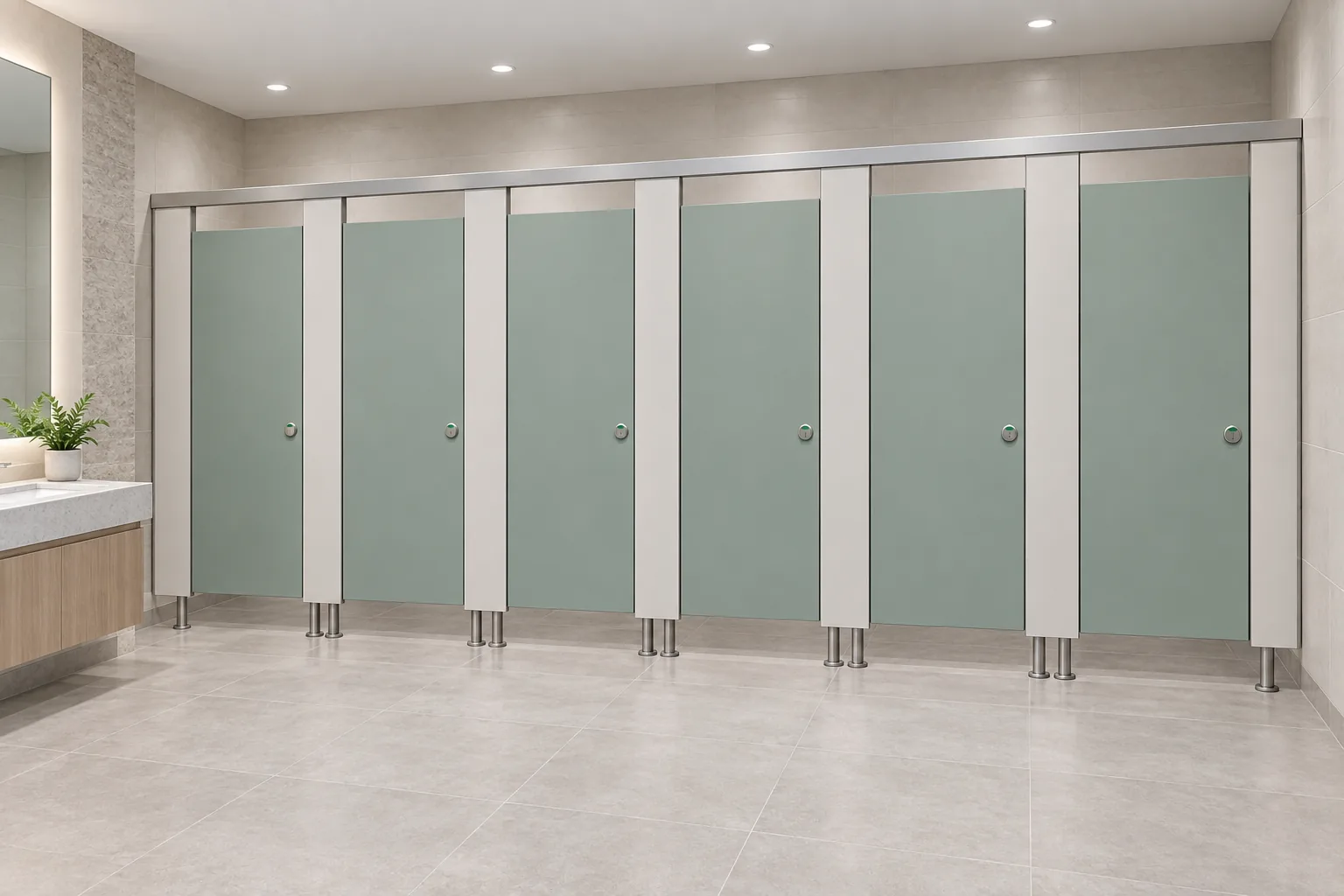
Set the buffer after the room readiness gate and before the installation window. Keep it visible in the master schedule so other trades do not consume it.
Buffer triggers
- Approved drawings not issued to the site team
- Door operation questions still open
- Support interface locations unverified
- Cleaning documentation not received
- Local requirements not confirmed by the project team
Buffer release conditions
Release the buffer only when each trigger is closed or formally accepted as a project risk. Document the decision so the changeover plan reflects the actual evidence status.
Rule Three: Align Trades on Support Interfaces
Support interfaces are a common source of changeover delay because they sit between disciplines. The partition team needs to know what the adjacent structure provides. The adjacent trade needs to know what the partition scope expects.
Use a short interface table in the coordination meeting. It should record the interface, the responsible party, the evidence reference, and the status. Do not treat HPL, compact laminate, phenolic, or stainless steel as interchangeable. Material selection requires project-specific evidence.
| Interface item | Evidence needed | Status |
|---|---|---|
| Adjacent wall or support condition | Approved drawing reference | Open or closed |
| Door operation and clearance | Approved drawing reference | Open or closed |
| Cleaning access | Project cleaning documentation | Open or closed |
| Local requirement | Project team confirmation | Open or closed |
Rule Four: Sequence Cleaning and Handover
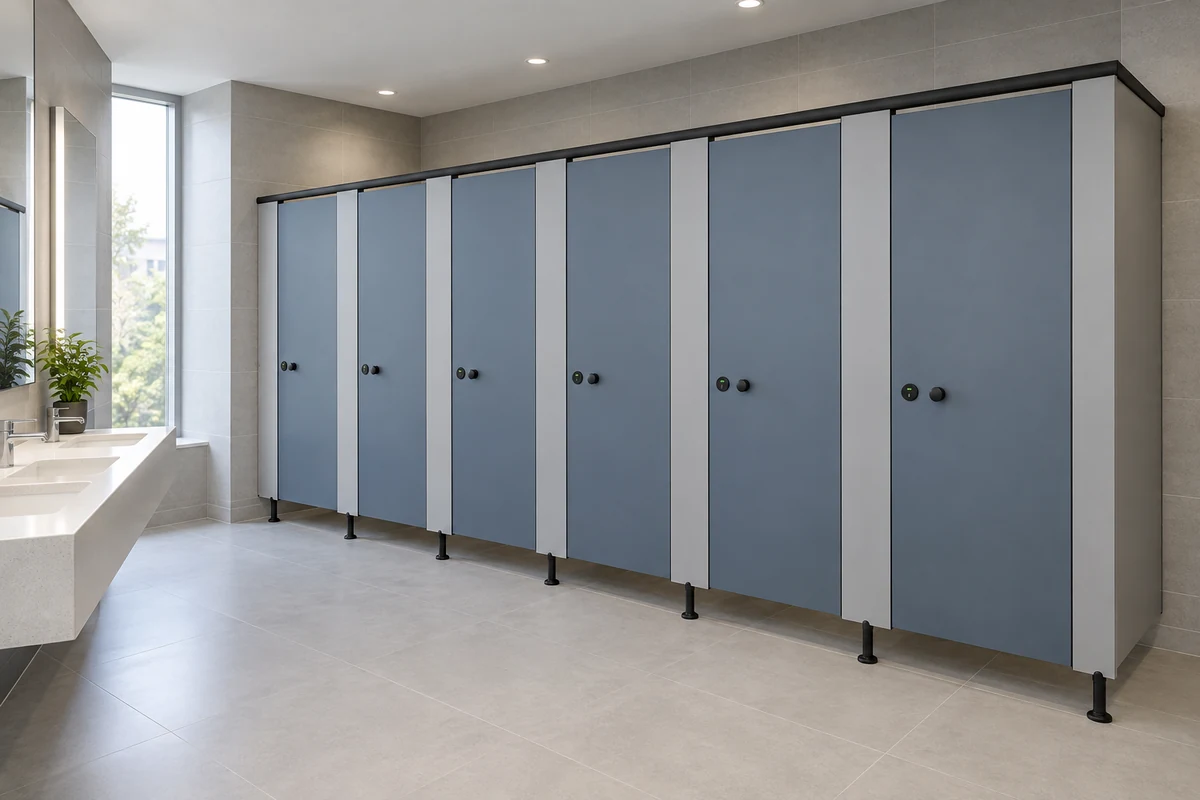
Cleaning documentation affects changeover because it defines how the finished room is maintained and accessed. If cleaning requirements arrive late, the handover sequence may need to change.
Schedule a cleaning review before final handover. Confirm who will clean, what access is needed, and how the room will be protected after installation. This is a planning step, not a compliance claim.
Handover sequence check
- Installation complete and protected
- Cleaning method and access confirmed
- Snagging route agreed
- Final walkthrough scheduled
- Documentation handed to the owner or operator
Rule Five: Use Evidence Notes, Not Assumptions
An evidence note records what is known, what is missing, and who owns the next step. It keeps the schedule honest. When a question cannot be answered from approved technical evidence, the note should say so.
Evidence note: any project-specific material, hardware, dimension, finish, mounting, or rating requires matching approved technical evidence. Illustrations show generic design references, not completed EBUNGE customer projects.
Use evidence notes in every changeover meeting. They reduce the risk of a verbal assumption becoming a schedule commitment.
Evidence note fields
- Question or decision needed
- Approved evidence reference
- Owner and due date
- Impact on room scheduling
- Status and closure date
Rule Six: Review Local Requirements Without Overclaiming
Applicable local requirements vary by jurisdiction and project. The project team should identify them and record how they are addressed in the approved documentation. Do not assert unverified compliance.
This rule protects the schedule because it separates confirmed requirements from open questions. It also prevents late changes that would otherwise disrupt the changeover window.
Coordination checklist for project teams
- Confirm the approved drawing set is current
- Review layout, privacy, and door operation
- Verify support interfaces with adjacent trades
- Collect cleaning documentation
- Record local requirements and their evidence
- Close evidence notes before releasing the buffer
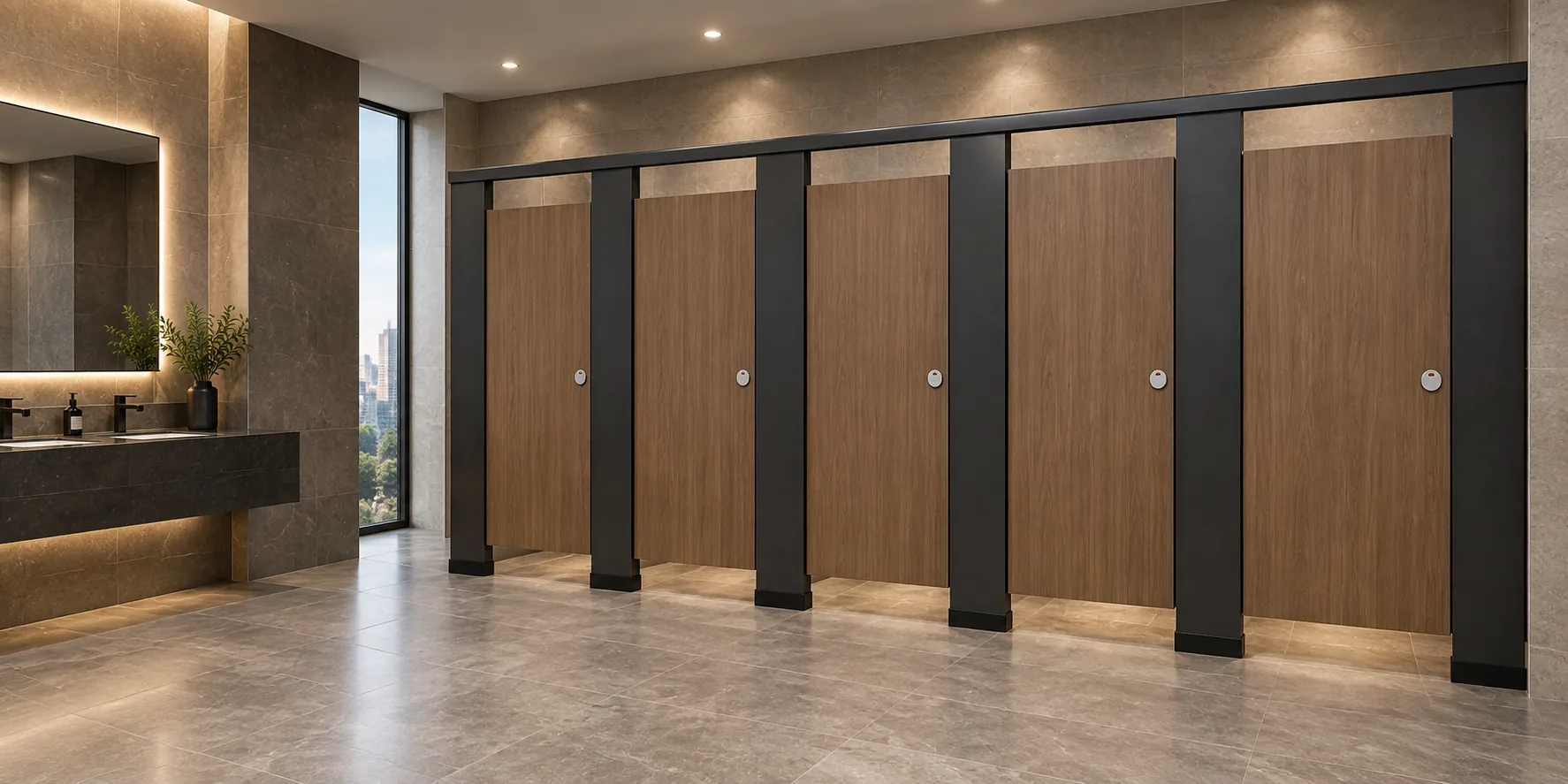
For product category context, see the EBUNGE toilet partition product overview. For planning resources, visit the resources section. To discuss a project-specific review, use the contact page.
FAQ: Toilet Partition Changeover Delays
What causes toilet partition changeover delays?
Delays usually come from late room release, unresolved layout or door operation questions, unverified support interfaces, missing cleaning documentation, and local requirements that are not confirmed by the project team.
How does room scheduling reduce changeover delays?
Room scheduling sets review gates before release, protects a verification buffer, and keeps decisions visible. This reduces rushed assumptions during the installation window.
Can illustrations confirm a project configuration?
No. Illustrations show generic design references, not completed EBUNGE customer projects. Project-specific material, hardware, dimension, finish, mounting, or rating requires matching approved technical evidence.
Are HPL, compact laminate, phenolic, and stainless steel interchangeable?
No. They should not be treated as interchangeable, and hidden construction should not be inferred from illustrations. Material selection requires project-specific evidence.
What should an evidence note include?
An evidence note should include the question, the approved evidence reference, the owner, the due date, the impact on room scheduling, and the closure status.
When should the changeover buffer be released?
Release the buffer only when review triggers are closed or formally accepted as project risks, and when the approved evidence supports the next step.
Conclusion: Schedule Decisions, Not Just Dates
Reducing toilet partition changeover delays depends on scheduling decisions as carefully as dates. Use review gates, a protected buffer, interface alignment, cleaning documentation, and evidence notes. Keep every project-specific claim tied to approved technical evidence. This approach helps contractors, architects, designers, owners, renovation teams, distributors, and construction teams coordinate without overclaiming.
To review a project-specific toilet partition scope, contact the EBUNGE team through the contact page and share your approved drawings and open questions.